Are R&D tax credits taxable?
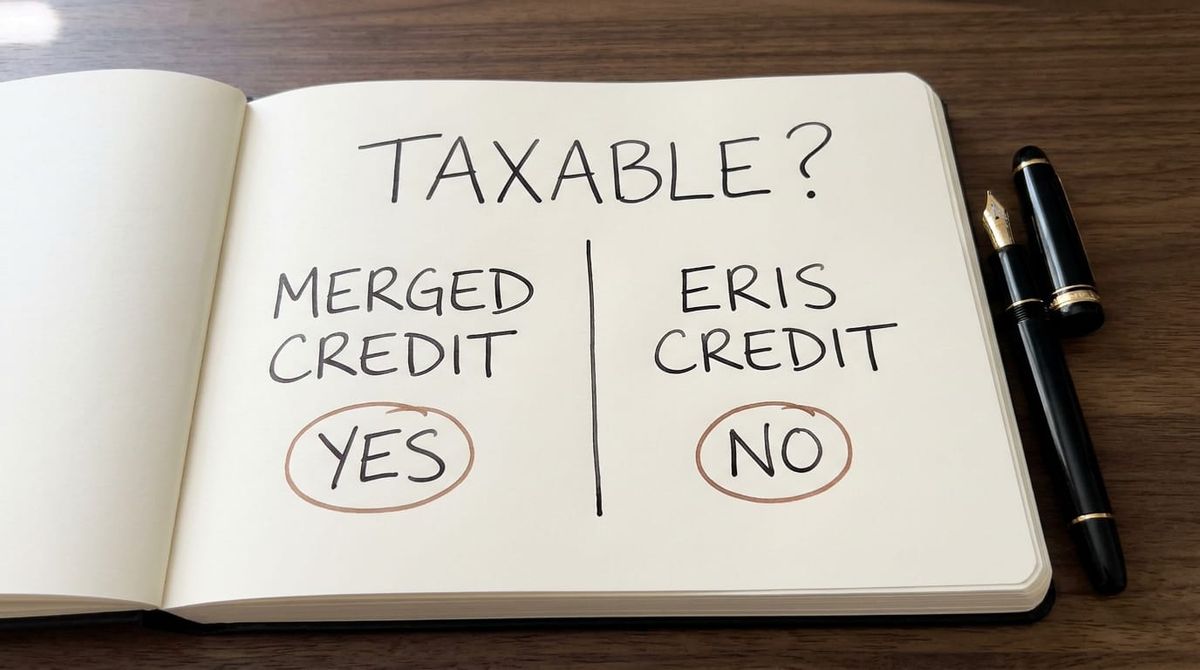
It depends on which relief the company claims. This page covers accounting periods beginning on or after 1 April 2024.
Is the merged scheme R&D expenditure credit taxable?
Yes. The credit is 20% of qualifying expenditure, and a company that claims it must bring it into account as a receipt in calculating the profits of its trade for the period. It is therefore subject to corporation tax, and the net benefit is less than 20%.
A company with no corporation tax to pay does not escape this. The credit still counts as a trading receipt, so it reduces the company's trading loss. In addition, before any of the credit can be paid, an amount equal to notional tax on it may be held back. That is worked out at the standard small profits rate, unless the company has profits chargeable at the main rate before the credit is counted. The amount held back is not lost. It is set against the company's corporation tax of a later period or can be surrendered to a group company.
Is the ERIS credit taxable?
No. Enhanced R&D intensive support (ERIS) is for loss-making, R&D-intensive SMEs. It gives an additional deduction of 86% of qualifying expenditure, which increases the trading loss. If the company surrenders that loss for the 14.5% payable credit, the payment is not income of the company for any tax purposes.
The cost is that a loss surrendered for the credit cannot also be carried forward against future profits.
What about earlier accounting periods?
Accounting periods beginning before 1 April 2024 follow the previous SME and RDEC rules, and HMRC enquiries into those periods are still live.
See also How are R&D tax credits paid? For help with a claim, read about R&D tax relief or contact us.