SEIS1, SEIS2 and SEIS3: Forms and Investor Certificates
How to submit SEIS1, when the four-month or 70% test is met, what SEIS2 authorises and how the company issues SEIS3 certificates.
Written by Steve Livingston LLB FCA, IP Tax Solutions. Technical content reviewed 21 September 2026.
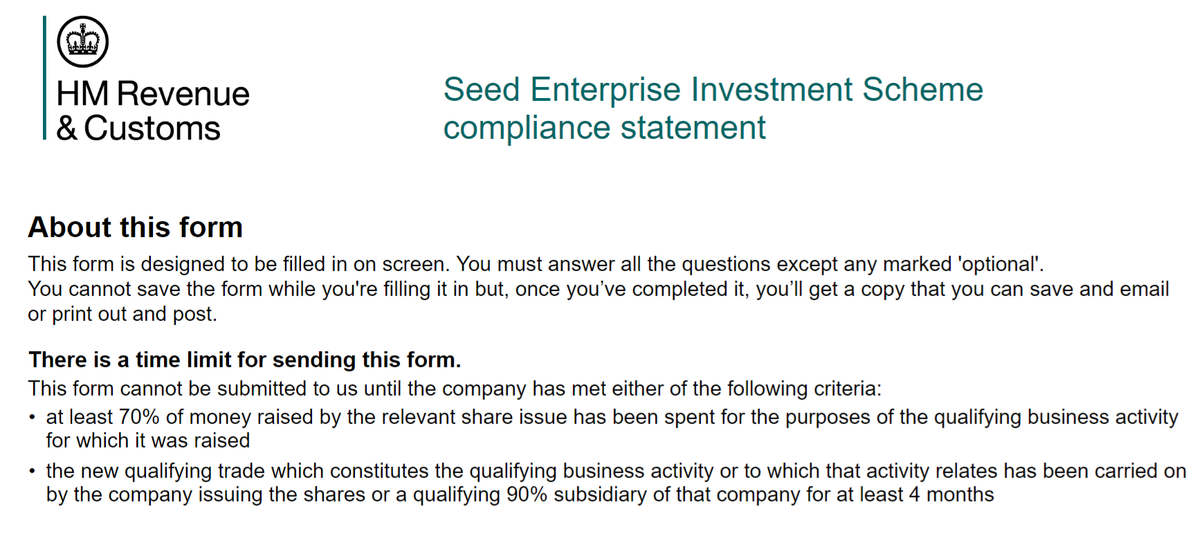
SEIS1 is the company's compliance statement. SEIS2 is HMRC's authorisation. SEIS3 is the certificate the company completes and gives to an investor. Advance assurance does not replace any of these steps, and an investor needs the SEIS3 before claiming relief.
This guide covers the process after shares have been issued. For pre-investment preparation, use our SEIS advance assurance guide.
What is the difference between SEIS1, SEIS2 and SEIS3?
| Document | Who prepares it? | Purpose |
|---|---|---|
| SEIS1 | The issuing company, with an authorised adviser if appointed. | Confirms the company and share issue meet the relevant conditions and provides investment details to HMRC. |
| SEIS2 | HMRC. | Authorises the company to issue the relevant investor certificates and provides the Unique Investment Reference (UIR). |
| SEIS3 | The company completes the HMRC certificate and sends it to the investor. | Gives the investor the share-issue information and UIR needed for a relief claim. |
HMRC explains the authorisation sequence in VCM35090. A SEIS3 is not a separate approval of the investor's personal eligibility.
When can the company submit SEIS1?
Under ITA 2007 s.257ED(3), at least one of these conditions must be met:
- At least 70% of the money raised by the relevant share issue has been spent for the qualifying business activity for which it was raised; or
- The relevant new qualifying trade has been carried on by the issuing company or a qualifying 90% subsidiary for at least four months.
The four-month test concerns carrying on the trade. It is not four months since incorporation, four months since receiving the investment or automatically four months of pre-trading R&D. Spending below 70% does not stop filing if the trade condition is independently met.
For example, a company has raised £100,000 for a qualifying activity, has not started the trade and has spent £55,000. The spending condition is not met. If qualifying expenditure reaches £70,000, the spending condition may be met even before trading begins, subject to the other requirements. Keep evidence showing what was spent and why it qualifies.
What information should you prepare?
- The company name, registration details, Corporation Tax UTR and relevant HMRC correspondence.
- The actual share issue date, share class, rights, numbers and subscription amounts.
- Investor names and addresses and the details of those requesting certificates.
- The business activity, trading history, group structure and where the activity is carried on.
- Evidence of the filing condition, qualifying expenditure and intended use of remaining funds.
- Issue-date assets and employee figures, previous funding and relevant aid.
- The business plan, forecasts and explanation of the risk-to-capital condition, as required.
- Any material change since advance assurance, including amended terms or business arrangements.
This is a preparation checklist, not a substitute for the current form's questions. Reconcile the statement to board decisions, the register of members, subscription documents, accounting records and bank receipts. Resolve differences before the company signs the declaration.
Where is the current SEIS1 form?
Use HMRC's official SEIS company guidance and online compliance statement link. Start from that page so you reach the current service. An old downloaded PDF, screenshot or bookmarked form journey may no longer reflect the submission route.
Submit a separate compliance statement for each share issue for which the investors require relief. Do not combine unrelated issue dates simply because they belong to the same funding round. If an agent submits, check the current authority requirements in the official guidance.
What happens after submission?
HMRC considers the statement and may request more information. If satisfied, it sends SEIS2 authorisation and the SEIS3 certificate material. The company must enter the correct investment details and UIR on each certificate and send it to the relevant investor. The UIR relates to the particular issue, so take care when the company has several rounds.
Do not promise investors a fixed certificate date based on an advance-assurance response target. Compliance review is a different stage. Keep investors informed of submission, any questions and the eventual certificate issue.
What should investors check on SEIS3?
Check the name, company, issue date, subscription and UIR against your investment. A certificate does not override investor restrictions or correct an ineligible transaction. Ask the company to resolve an error before using it in a claim. Then follow our income tax and carry-back claim guide.
Common questions
Does HMRC send SEIS3 directly to each investor?
No. HMRC authorises the company, which completes and distributes the investor certificates.
Can we issue SEIS3 as soon as we receive advance assurance?
No. The shares must be issued, the filing gate met and the company authorised through the compliance process.
Does the certificate end the company's obligations?
No. Relevant continuing conditions remain important. Track use of money and changes to the company, shares and arrangements. Our SEIS compliance review guide explains why the evidence needs to support what actually happened.
Need help with SEIS?
IP Tax Solutions advises founders, investors and their professional advisers on SEIS eligibility, investment terms, compliance and claims. See our SEIS and EIS advisory service or contact Steve with the facts and relevant dates.